Francesco Tristano has been nominated for the Long List 1/2026 of the Preis der deutschen Schallplattenkritik, the German Record Critics’ Award, with his recording Bach: Toccatas BWV 910–916, released on naïve. The album appears in the Keyboard Music I category and is among the 273 productions selected for the first quarterly list of 2026.

The Long List was compiled by the independent jury of the Preis der deutschen Schallplattenkritik, which brings together music critics and journalists from Germany, Austria and Switzerland. The nominations are based on artistic quality, repertoire value, presentation and sound quality. The final selection of up to 32 award winners for Bestenliste 1/2026 will be announced on February 16.
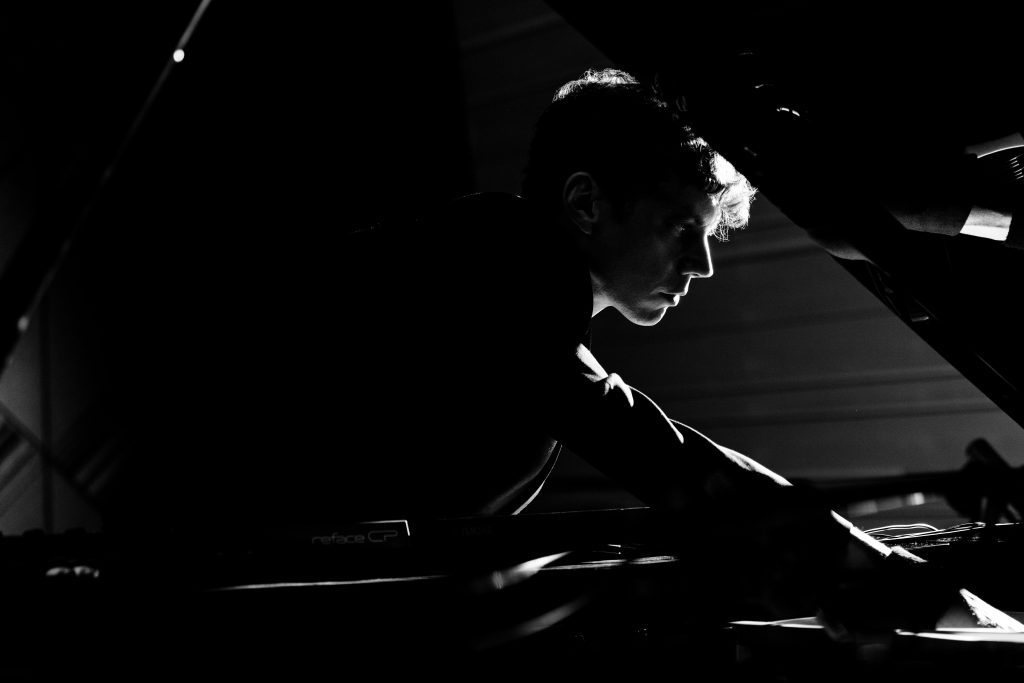
Francesco Tristano presents a new chapter in his exploration of Bach’s keyboard works with the release of Bach: The 7 Toccatas, out today, October 31, on naïve.

Recorded in Tokyo in June 2025 over five intense days, the album captures the vitality and precision of Bach’s early keyboard works. With this new release, Tristano continues his exploration of Bach’s music following The 6 Partitas and The 6 English Suites, revealing once again his personal dialogue with the composer’s creative universe.

The seven toccatas by Johann Sebastian Bach form a cycle whose origins and purpose remain uncertain. Written around 1707, when Bach was in his early twenties, these works demonstrate the young composer’s experimentation with form and style. Influenced by the Northern German school and his encounter with Dietrich Buxtehude, Bach developed a language that was both expressive and virtuosic, merging Italian eloquence with German rigor.

For Francesco Tristano the essence of the toccata lies in its meaning: to play. It is music that celebrates movement, skill and joy. In these pieces, speed, endurance and precision coexist with the pure pleasure of performance. Tristano approaches them as a living link between past and present, music that continues to speak directly to us, three centuries later, with the same energy and sense of wonder.

Excerpt by Javier Blánquez